Your Trusted General Contractor for Quality Home Upgrades
A reliable construction professional serves a essential role in home improvements. Their expertise ensures work are completed with precision and attention. By concentrating on premium materials and craftsmanship, they enhance both aesthetics and value. Clear dialogue and careful planning are essential for a smooth process. However, many homeowners disregard important considerations when choosing a builder. Recognizing what to prioritize can make all the impact in achieving a successful renovation. What should homeowners evaluate first?
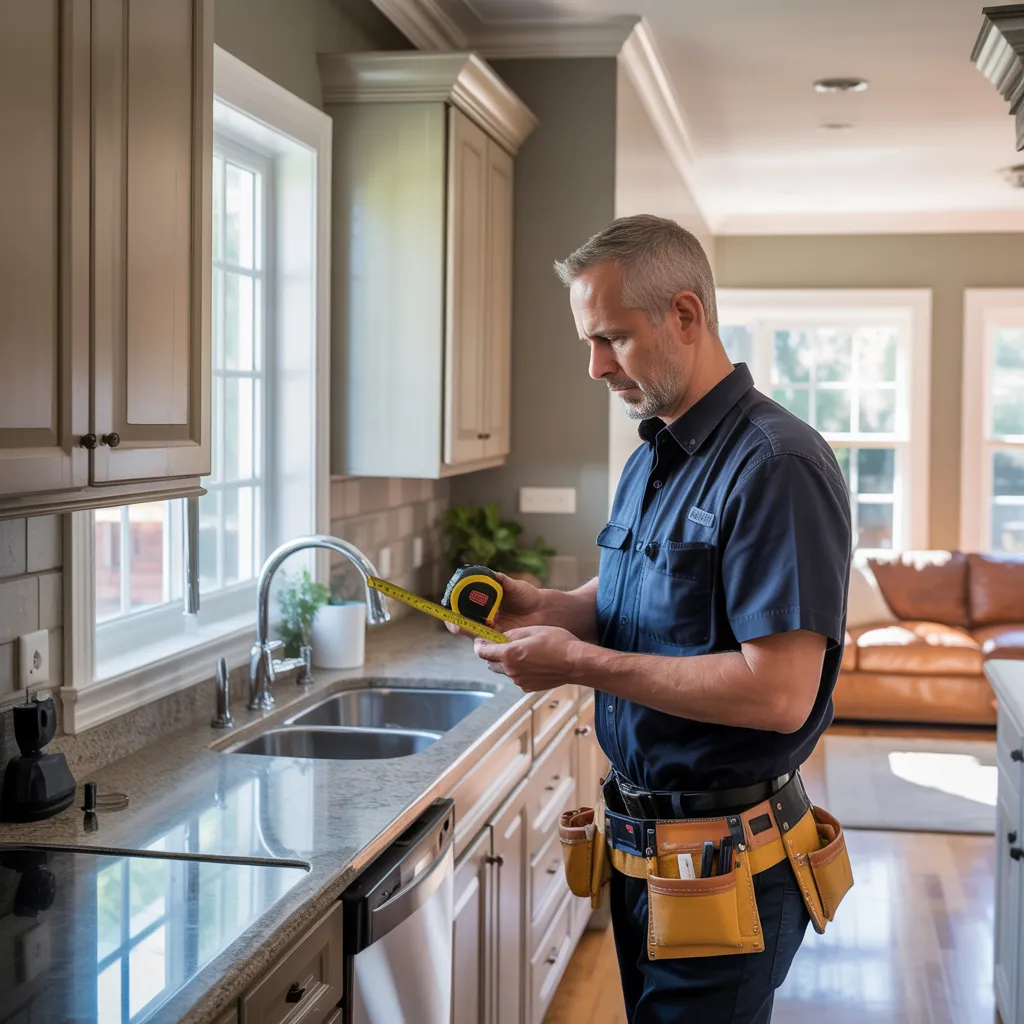
Essential Qualities to Look For in a Trustworthy General Contractor
When starting a home renovation initiative, how can one guarantee they select a solid general contractor? Initially, individuals should seek recommendations from friends, family, or web reviews to pinpoint potential candidates. It is paramount to authenticate credentials, encompassing licenses and insurance, verifying the contractor meets local ordinances. Next, reviewing past work through portfolios or references furnishes insights into the contractor's craftsmanship and reliability.
Furthermore, getting multiple quotes can assist in determining reasonable costs and project schedules. Communication skills are also essential; a contractor should be accessible and attentive to questions. Additionally, a strong contract detailing scope of work, deadlines, and payment schedules safeguards both parties. Ultimately, follow your gut; if a builder seems unprofessional or unclear, it may signal future issues. By following these recommendations, property owners can greatly increase their odds of hiring a dependable construction professional, resulting in successful renovation undertakings.
Why a Local General Contractor Is Your Top Choice
Going with a local service provider can substantially boost the success of home renovation endeavors. Local professionals hold significant understanding of the area, including building codes, rules, and zoning restrictions, maintaining compliance and efficiency. Their well-established relationships with suppliers and subcontractors can deliver superior pricing and ready access to supplies and experienced professionals.
In addition, local contractors often have a name to protect within the area, prompting them to produce high-quality work. This level of responsibility fosters faith and assurance among residents.
Furthermore, closeness allows for easier communication and quicker response times, which can be crucial during a project. Homeowners can also seek referrals from locals or friends who have previously worked with the contractor, providing peace of mind. Overall, choosing a local general contractor not only supports the community but also improves the overall quality and experience of home improvement endeavors.
Your Complete Step-by-Step Handbook to Home Improvement Journey
Commencing a household renovation project calls for deliberate preparation and precise implementation. Formulating a schedule for completion is indispensable to guarantee that tasks are executed swiftly, while selecting quality materials can substantially affect the final outcome. This instruction manual will present these important procedures to aid homeowners work through their improvement journey productively.
Arrange Your Project Timeline
A well-structured timeline is indispensable for ensuring successful residential projects, ensuring that every phase is handled efficiently. To begin, owners should define the project's scope, specifying specific goals and desired outcomes. Subsequently, they should consult with their general contractor to formulate a grounded approach stemming from the project's degree of difficulty and work requirements. Breaking the project into constituent parts enables better tracking and adjustments as needed. It is also critical to account for unforeseeable setbacks, such as climatic impacts or distribution impediments, which impact the timetable. Regular check-ins with the contractor can facilitate maintaining progress. By and large, a clear timeline nurtures mutual understanding and sets expectations, paving the way a more streamlined residential upgrade experience.
Selecting High-Quality Supplies
Going with quality substances greatly influences the output of home improvement undertakings. To begin, residents must determine the distinct necessities of their work, taking into account aspects such resilience, aesthetics, and financial plan. exploring various material selections is crucial; this encompasses learning about the benefits and disadvantages of each selection. consulting with specialists can offer worthwhile guidance into credible brands and distributors.
Next, homeowners should request samples to assess the look and feel of materials firsthand. Comparing prices across different suppliers can help ensure affordable rates without sacrificing quality. Finally, verifying that materials meet local building codes is crucial for safety and compliance. By thoughtfully selecting materials, homeowners can improve both the durability and aesthetic value of their renovations, ultimately increasing the worth to their property.
Present Your Vision Like a Pro
Successful home improvements often depend on the ability to communicate a clear concept. Homeowners should articulate their ideas, tastes, and expectations, ensuring that they communicate their wishes effectively to their general contractor. A well-defined vision not only helps in aligning the contractor's plans with the homeowner's goals but also simplifies the selection process.
Visual aids, such as sketches or mood boards, can greatly enhance communication. They deliver a concrete guide that demonstrates style, color schemes, and layout preferences. Additionally, participating in frank discussion encourages partnership, allowing the contractor to ask clarifying questions and provide insights.
Establishing realistic timelines and budgets is equally important. Property owners should prepare to discuss limitations openly to avoid miscommunications down the road. Ultimately, communicating a plan with precision and confidence strengthens both sides, paving the way for effective project completion and satisfying results in residential renovation projects.
The Significance of High-Grade Materials and Craftsmanship
Regarding home improvements, the selection of long-lasting materials greatly impacts the longevity and functionality of a project. Similarly vital is the role of skilled craftsmanship, which guarantees that these materials are utilized properly. In combination, high-quality materials and professional craftsmanship create results that stand the test of time.
Durable Material Selection
A well-considered mixture of hardwearing materials can greatly influence the longevity and character of home improvements. Quality materials not only improve the look of the appeal of a space but also warrant that renovations withstand the test of time. Homeowners should give priority to materials with solid durability, such as hardwood, stone, and high-grade metals, which defend against wear and tear and environmental damage. Additionally, selecting materials suited the local climate can circumvent issues like rot or corrosion. Putting money into durable options may require a higher upfront cost, but the long-term benefits—fewer repairs and replacements—make it a strategic choice. In conclusion, the right materials contribute to a home's value and overall satisfaction for years to come.
The Significance of Expert Workmanship
Quality craftsmanship assumes an indispensable place in the success of home upgrades, supporting the choice of dependable materials. Proficient artisans confirm that each element of a project is executed with accuracy, improving both functionality and appearance. Detailed attention in construction, from framing to finishing touches, markedly advances the longevity and reliability of home features. Quality artistry not only portrays a pledge to excellence but also defends against future issues, such as structural problems or aesthetic imperfections. Additionally, accomplished professionals recognize the nuances of various materials, assuring they are engaged effectively. Ultimately, investing in skilled artistry generates a more rewarding and enduring product, elevating the overall value of the home and the homeowner's satisfaction.
Common Renovation Oversights and Tips to Evade Them
Many homeowners encounter obstacles during home renovations that can lead to expensive setbacks and dissatisfaction. One frequent error is downplaying the budget. Without a comprehensive budget outline, unforeseen costs can quickly surface, jeopardizing the project. Additionally, neglecting to obtain necessary permits can result in penalties and project halts, hindering the remodeling effort.
Another common mistake is rushing the process of making decisions. Hasty choices regarding design and layout can result in disappointment down the road. Homeowners often overlook the significance of employing experienced professionals, which can undermine the workmanship and safety standards.
In the end, not communicating adequately with building professionals can produce misunderstandings and unmet expectations. To sidestep these challenges, homeowners should focus on meticulous preparation, secure the necessary permits, choose qualified professionals, and sustain clear communication throughout the construction project. By addressing these learn the facts common mistakes, homeowners can ensure a easier and more gratifying renovation experience.
What Materials Should You Select for Your Remodel?
What is the best way for homeowners to ensure they pick the appropriate products for their remodeling initiatives? First, they should examine the particular demands of the space, keeping in mind factors such as functionality, visual appeal, and strength. Researching multiple options is essential; homeowners should analyze options based on their suitability for the intended use and local climate conditions.
Partnering with a credible construction professional can convey important insights regarding choice of products, verifying choices fit with both budget requirements and aesthetic objectives. Concurrently, homeowners ought to champion sustainability efforts by considering eco-friendly options that reduce environmental consequences.
At last, assessing samples can support informed determinations, enabling homeowners to conceive how materials will appear and feel in their setting. By following these steps, homeowners can confidently select materials that improve their renovation while ensuring quality and longevity.
Popular Questions Asked Often
What's the Most Effective Way to Check a Contractor's Licenses and Insurance?
To check a contractor's licenses and insurance, one can consult state regulatory authorities and coverage carriers. Furthermore, acquiring records of licenses and insurance credentials from the contractor guarantees genuineness and observance of regulations.
How Lengthy Does the Standard Timeframe for Household Upgrade Projects Take?
The expected timeline for residential renovation work varies, often lasting from a few weeks to several months, determined by project complexity, size, and required permits. Maintaining dialogue with the professional can help you develop a more accurate schedule.
Can I dwell in My Home During Remodeling?
Yes, a person can occupy a residence during renovation work, though it frequently is dependent on the scope and scale of the project. Partial renovation projects may permit continued residence, while extensive projects might require temporary relocation for comfort and safety.
Which Payment Solutions Do Tradespeople Typically Accept?
Contractors typically take a selection of payment options, such as cash, checks, credit cards, and digital payment platforms. Some may also offer financing solutions, allowing clients flexibility in handling renovation costs and payment schedules.
How Can I Deal With Disputes Involving My Contractor?
To address contractor disagreements, one should express yourself plainly, record every communication, and pursue settlement via discussion. If unresolved, mediation or legal action may be necessary to safeguard your rights effectively.